
How Nature Can Be Used To Make The Best Wines
A biodynamic agriculture journey in the Spanish wine regions.
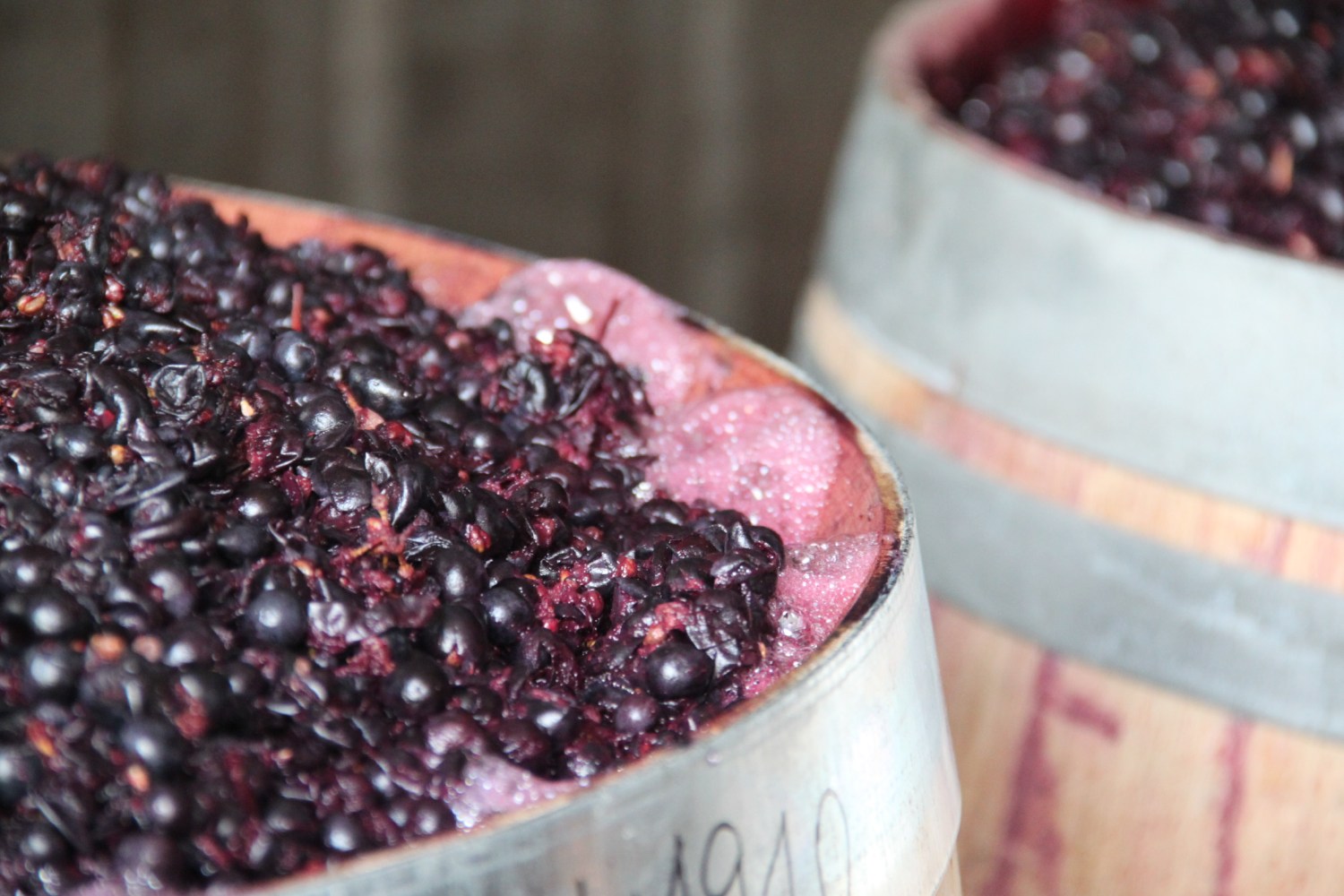
Photo by Parés Baltà
At sunrise in a Catalan vineyard, the soil is alive. You can smell rosemary in the air, hear insects waking up and feel the cool slate beneath your boots. This is where great wine begins, not in the cellar, but in the ground.
I think everyone knows that wine is not made with a quick snap of the fingers. A lot of work, patience and time are needed in the vineyard to create the best quality wines, especially when following a biodynamic calendar.
From harvesting and sorting, crushing and destemming, fermentation, and much more, all the way to bottling, sealing, and ageing. Every step plays an important role.
But there is one big and important step that should never be forgotten: creating fertile, healthy soil with the help of nature.
Wine regions in Spain
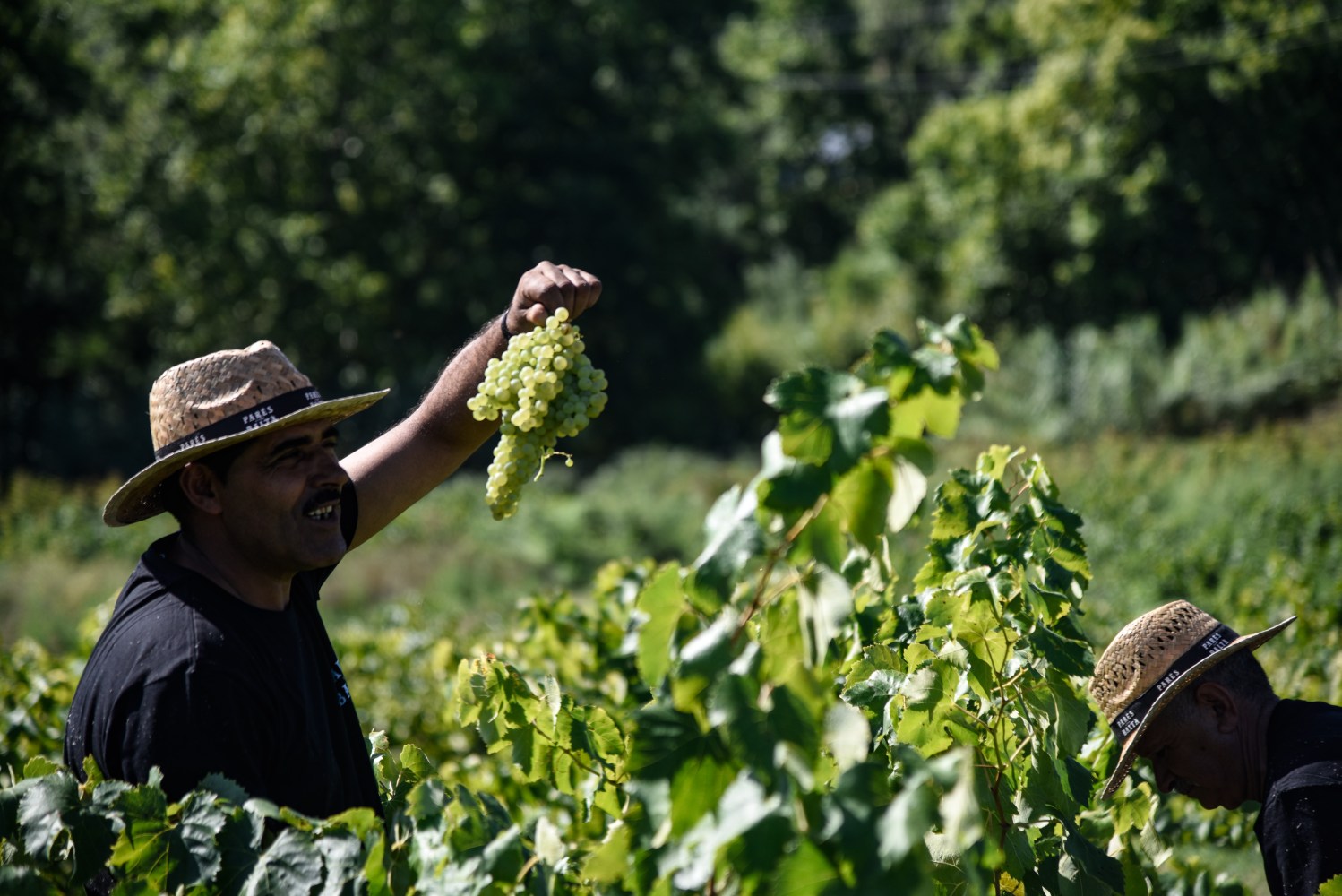
Photo by Parés Baltà
Close to Barcelona, you can find some of Spain’s most interesting wine regions, such as Priorat and Penedès, which you can both visit during our tours: Private Priorat Wine Tour and Private Penedes Day Trip. Each region produces wine in its own unique way, strongly influenced by its landscape, climate, and traditions.
Priorat is known for its mountainous terrain in Catalonia and its poor, rocky soils. These tough conditions produce powerful and full-bodied red wines, mainly from Garnacha (Grenache) and Cariñena (Carignan) grapes.
The vines have to struggle and that struggle is reflected in the intensity and character of the wines.
Besides Priorat, Catalonia is also home to the Penedès region. The birthplace of Cava, Spain’s famous sparkling wine. With its Mediterranean climate and varied soils, Penedès is ideal for producing fresh, elegant wines that truly express the land they come from.
Biodynamic wineries and our tours
During our tours, you get the opportunity to visit some of the best wineries in these regions. One of them is Parés Baltà, a winery known for its strong connection to nature and its unique agricultural approach.
At Parés Baltà, the team believes the moon has as much influence on grapes as the sun. They follow a biodynamic calendar, where major operations such as pruning, bud-break work, and harvesting are scheduled according to lunar and astrological rhythms. The goal is to support vine balance, healthy growth, and better fruit expression.
Biodynamic farming also strongly supports biodiversity protection and animal welfare. By working with natural cycles and ecological systems, the vineyard becomes a living organism rather than an industrial production site.
Photo by Parés Baltà
But how does biodynamic agriculture work exactly?
First of all, biodynamic farming avoids the use of herbicides and pesticides. It is a holistic and ecological approach to agriculture that goes beyond organic methods. The farm is seen as a self-sustaining living system where soil, plants, animals, and humans work together in harmony.
Natural fertilizers, compost, crop rotation, and special herbal and mineral preparations, like buried cow horns, are used to build soil vitality.
The focus is on creating fertile soil, encouraging biodiversity and strengthening the vines naturally, rather than forcing growth through synthetic products.
Now you may think: buried cow horns? Yes, filled with cow manure. While this may sound unusual, it plays an important role in biodynamic farming. The manure is fermented underground, where it absorbs minerals and microbial life from the soil.
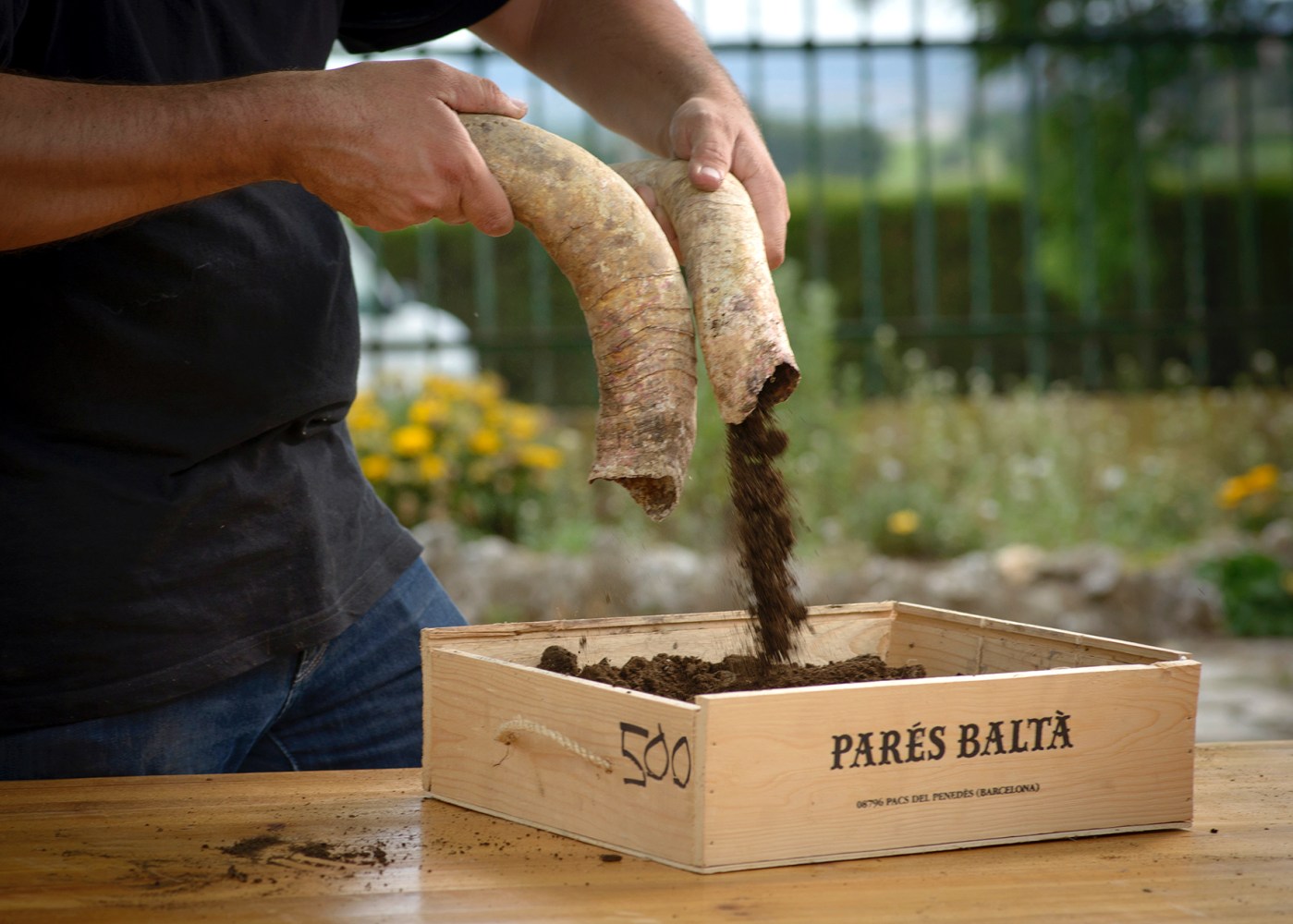
Photo by Parés Baltà
At Parés Baltà, this preparation is mixed with ingredients such as eggshells, basalt, and other natural elements. The mixture is then placed in barrels in contact with the soil and later applied to the vineyard. This helps improve soil structure, stimulate microbial activity and support healthy plant growth.
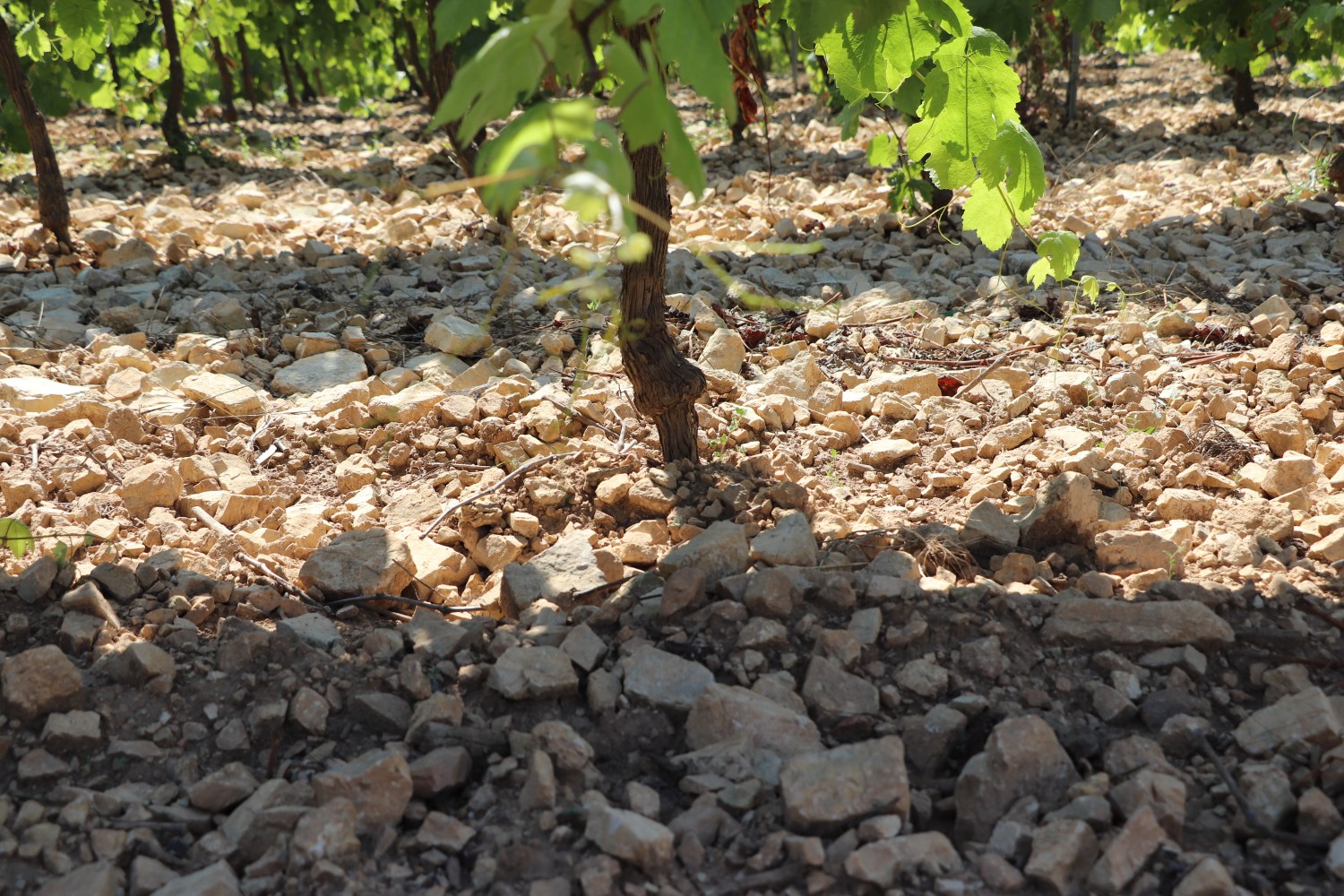
Photo by Parés Baltà
Nature in the glass
By working closely with nature instead of against it, biodynamic winemakers believe they can better express the true terroir of their vineyards. Many biodynamic wines are known for their freshness, balance, and energy, offering a clearer expression of place and vintage.
Visiting these vineyards shows that great wine is not only made in the cellar, but in the soil, the vines, and the natural rhythms of the land. Once you experience this connection firsthand, you start to understand how nature truly helps create some of the best wines.
So next time you sip a wine or sparkling cava from Penedes, especially Parés Baltà, remember the soil, the sun and the moon that nurtured it.